This post is the result of a confangled thought process, long conversations with AI and a fair bit of experimentation. A few months ago, in a bid to support muscle growth, my mum discovered fermented whey protein, which is standard dairy whey that has been treated with beneficial probiotic cultures to pre-digest the proteins. But we are vegan. Nevertheless, a seed had been planted and my brain ran with it. I knew that hemp is an excellent, complete plant-based protein source and I started to wonder if fermenting it would bring additional benefits. And that, my friends, is how I opened a whole can of worms and began making Hemp Milk Kefir. It was an instant hit and it didn’t take long for us both to notice the benefits. We’re now drinking 500ml of Hemp Milk Kefir each, every day. So, let me share with you what I’ve learned.
Fermented hemp is a processed hemp seed product created by introducing beneficial bacteria (kefir grains) to break down compounds and enhance nutritional profiles. It is a powerful source of bioactive peptides and antioxidants.
When you introduce water kefir grains to homemade hemp milk, you create a dynamic, symbiotic fermentation process. By letting the grains ferment the liquid, two things happen simultaneously: you grow a massive colony of live probiotics, and you turn the base milk into a true fermented hemp product with unique health advantages. The fermentation process alters the metabolic profile of the seeds, creating compounds that aggressively combat cellular stress and support immune recovery.
Part 1: The Multi-Omics Science Behind Hemp Milk Kefir
Fermenting hemp seeds with probiotics amplifies their antioxidant and anti-inflammatory properties, while bacterial breakdown hydrolyzes raw hemp proteins into smaller biopeptides and increases the concentration of beneficial organic acids like lactic and butyric acid. This homemade brew targets systemic wellness through four main pathways:
1. Enhanced Anti-Inflammatory Potential & Longevity Lessons
Chronic, low-grade inflammation rises with age in nearly everyone – a phenomenon scientists call “inflammaging”. It actively drives cardiovascular disease, dementia, frailty, and more.
A powerful real-world example of inflammation control can be found in the multi-omics blueprint of Maria Branyas Morera, who lived to 117 years and 168 days. When she died in August 2024, she was the world’s oldest verified living person. In the years before her death, she agreed to become the most thoroughly studied supercentenarian in history. A team of more than 50 scientists sequenced her genome, epigenome, proteins, metabolites, and gut bacteria. Their findings, published in Cell Reports Medicine in 2025, repeatedly highlighted that her systemic inflammation was strikingly low.
A major clue sat in her gut microbiome, which was unusually diverse and dominated by Bifidobacterium – a genus associated with anti-inflammatory effects that typically declines sharply in the elderly.
And the good news is that Bifidobacterium is present in my homemade hemp milk kefir. So, when I drink a glass of my hemp milk kefir, I am delivering millions of these specialised, highly resilient Bifidobacterium straight into my system. While Bifidobacterium species are most famously associated with human intestines or dairy yogurts, water kefir grains host a very unique, highly specialised branch of this family tree:
• Aerobic Resilience: Unlike gut-based strains that die when exposed to oxygen, water kefir strains (such as Bifidobacterium aquikefiri, Bifidobacterium fermentum, and Bifidobacterium psychraerophilum) have evolved to handle oxidative stress. They live embedded within the gelatinous matrix of the grains and transfer directly into the liquid during fermentation.
• How Hemp Milk Strengthens Them: Bifidobacterium love complex plant fibres. Because I blend my raw hemp hearts whole and do not strain out the pulp, I am giving these bacteria an abundance of their favourite fuel. As they consume the fibre, they synthesize large quantities of acetate and butyric acid, actively down-regulating the body’s systemic inflammatory markers like TNF-α, IL-6, and iNOS.
2. High-Yield Probiotic Delivery
My homemade hemp milk kefir will be teeming with billions of live, gut-friendly lactic acid bacteria (LAB) and beneficial yeasts. Water kefir grains contain a massive, diverse ecosystem of dozens of different Lactobacillus and Leuconostoc strains. These diverse, wild strains are highly adapted to surviving the harsh transit through stomach acid, reaching the large intestine intact to actively suppress pathogenic bacteria and cultivate a balanced microbiome.
3. Ultimate Prebiotic Pairing (The Synbiotic Effect)
Recent clinical research from institutions like the University of Nottingham demonstrates that pairing live kefir cultures with a rich prebiotic fibre source produces an incredibly powerful, synergistic effect that actively suppresses systemic inflammation. Because I do not strain my homemade hemp milk, all the natural prebiotic plant fibres and unique shell bioactives from the hemp hearts stay in the liquid. My water kefir grains feed on these fibres, generating therapeutic Short-Chain Fatty Acids (SCFAs) like acetate, propionate, and butyrate to directly support and feed the gut lining.
4. Maximum Digestibility & A Clean Dairy Alternative
Raw hemp is a complete protein, containing all 9 essential amino acids, but can be difficult for some to digest. Fermentation cleaves these heavy plant proteins, increasing the content of free amino acids, organic acids, and free fatty acids, and transforming them into highly absorbable, ultra-accessible short biopeptides. These anti-inflammatory peptides help calm cellular stress and suppress the expressions of iNOS and other inflammatory triggers. The finished drink is a 100% allergen-free, dairy-free, and nut-free probiotic tonic that delivers excellent nutrition without the digestive bloating often caused by lactose or soy.
Part 2: Why Hemp Milk Outperforms Other Vegan Alternatives
From a nutritional standpoint, hemp milk is incredibly hard to beat because it is a complete protein (containing all 9 essential amino acids) and is exceptionally rich in polyunsaturated “good” fats, specifically Omega-3 and Omega-6 fatty acids in an ideal 3:1 ratio that none of the other milks can match. It also brings a wide spectrum of heavy cellular minerals to the table, including magnesium, iron, zinc, and vitamin E.
| Plant Base | Ultimate Superpower | Texture / Consistency | Disadvantages Compared to Hemp |
|---|---|---|---|
| Hemp Milk | Balanced Omega Fats (Omega-3 & Omega-6 in an ideal 3:1 ratio); Hypoallergenic seed. | Smooth, rich, drinkable liquid consistency. | None. Bypasses all the digestive, preparation, and starch issues of other milks. |
| Coconut Milk | Creamy tropical fats. | Thick or oily; separates easily. | Contains almost zero protein (leaving nothing to break down into biopeptides); consists almost entirely of saturated fats. Classified as a tree nut allergen. |
| Coconut Water | Rich in potassium hydration. | Thin, watery, sharp, and vinegary. | Contains no physical fibre, meaning zero sustained prebiotic value to feed your gut bacteria. |
| Organic Soy Milk | Highest density of protein and active biopeptides. | Thick and creamy. | High allergen risk ("Big 8"). Many people struggle to digest it, causing gas and bloating. Sourced from crops heavily treated with pesticides unless strictly organic. Contains high levels of phytoestrogens (isoflavones) which can mimic oestrogen in the human body; many consumers prefer to limit their intake to avoid potential endocrine and hormonal disruption. Yields a chalky, sharp, "beany" taste. |
| Pumpkin Seed Milk | Maximum density of Magnesium, Zinc, and Iron. | Medium and smooth. | Heavy separation into a muddy sludge. Turns a murky, unappealing grey-green "swamp" color. Flavour is intensely dark and roasty. |
| Cashew / Almond Milk | Best tasting / highest palatability. | Creamy if left unstrained. | Almonds are very low in protein compared to hemp. Almond skins must be strained out, requiring messy straining bags that throw away a lot of the beneficial prebiotic fibre. Cashews are exceptionally high in starches, creating a slimy coating that suffocates kefir grains. High calorie and carbohydrate profile. |
Part 3: The Master Shopping List & Equipment Guide
To brew hemp milk kefir safely and effectively at home, you must keep your water kefir grains away from reactive metals (like copper, aluminium, or stainless steel) during fermentation because the high acidity of the fermenting kefir can react with the metal over time and degrade the culture. Stick strictly to glass, wood, plastic, and nylon mesh.
1. Living Cultures & Fermentation Gear
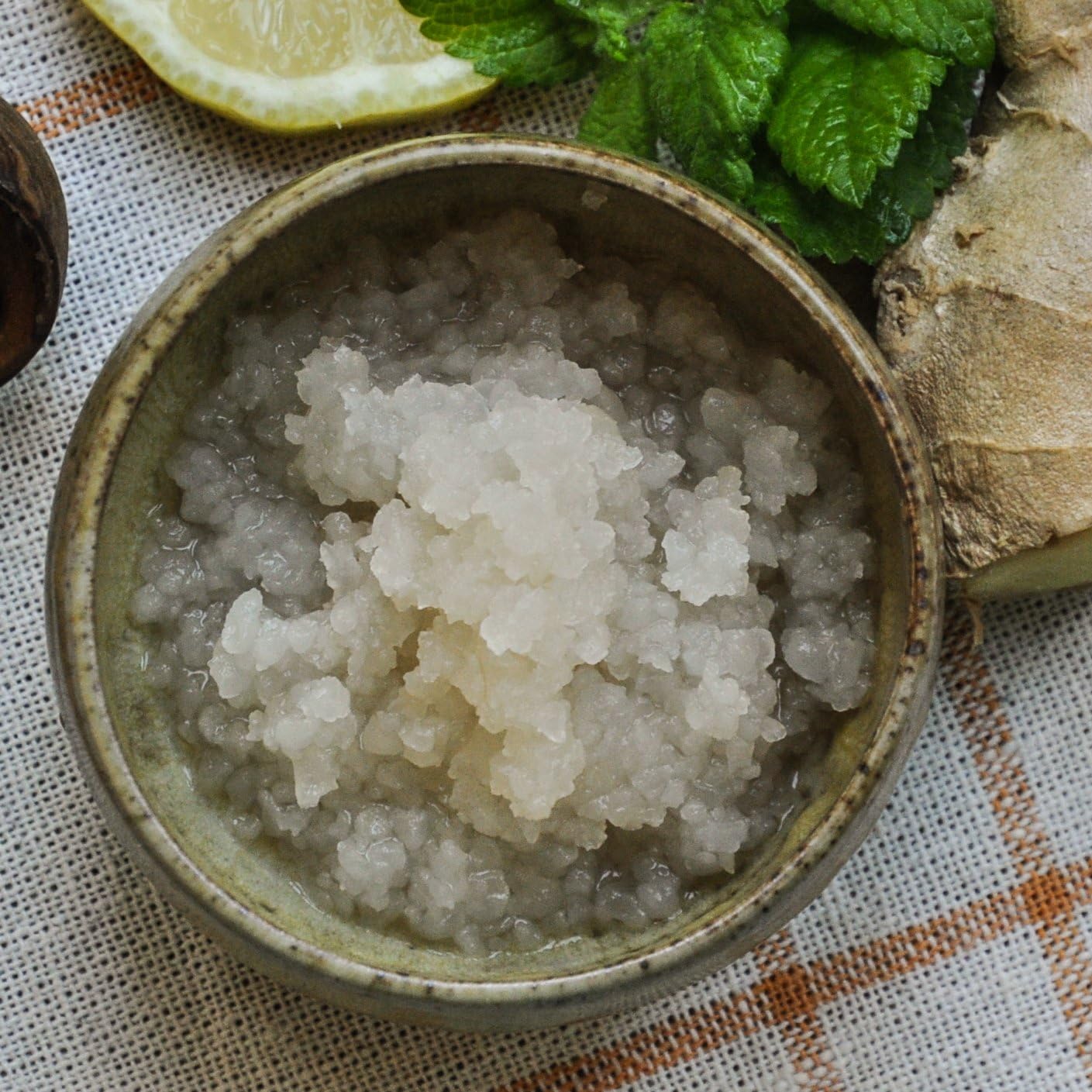
• Live Water Kefir Grains (Fresh/Wet): There is an important distinction to make between water kefir grains and milk kefir grains. They are adapted to rather different environments. Traditional milk kefir grains evolved in animal milk. They are especially well suited to a lactose-containing liquid, and their microorganisms have enzymes that act on milk proteins. Whilst milk kefir grains can be used experimentally with plant milks, keeping them exclusively in a lactose-free liquid can eventually weaken them. The advice I was given was to return them to animal milk after every one or two plant-milk batches to revitalise them. Obviously, that wasn’t an option for us. We are vegan, and I had no desire to keep dairy milk in the fridge merely to feed my kefir grains! Water kefir grains were the logical alternative. Rather than relying on lactose, they thrive on simple sugars and can be used to ferment plant-based liquids when a suitable carbohydrate source (sucrose) is provided. Be sure to purchase live, active wet cultures rather than freeze-dried or dehydrated ones so they retain peak biological vitality and are active immediately. Also, look for UKAS lab-tested, certified organic suppliers. I bought 2 packs (approx. 60g total) of these Organic Live Water Kefir Grains.
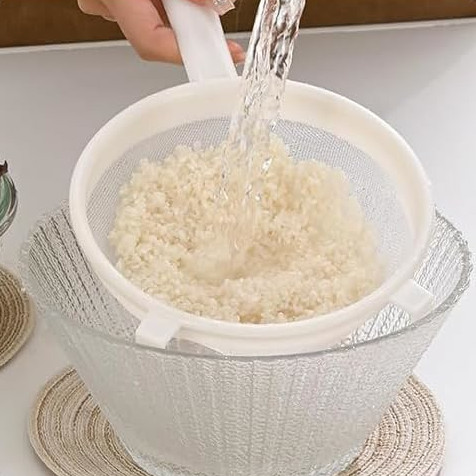
• 2-Pack BPA-free Plastic Kefir Strainer Set: Strictly avoid standard stainless steel kitchen strainers. A 40-mesh twill plastic sieve perfectly catches tiny baby grains while letting the thick hemp milk flow through smoothly without clogging. Use the larger 16cm sieve for daily brewing and the smaller 10cm sieve for managing your “sugar-water buffer” (more on that later).
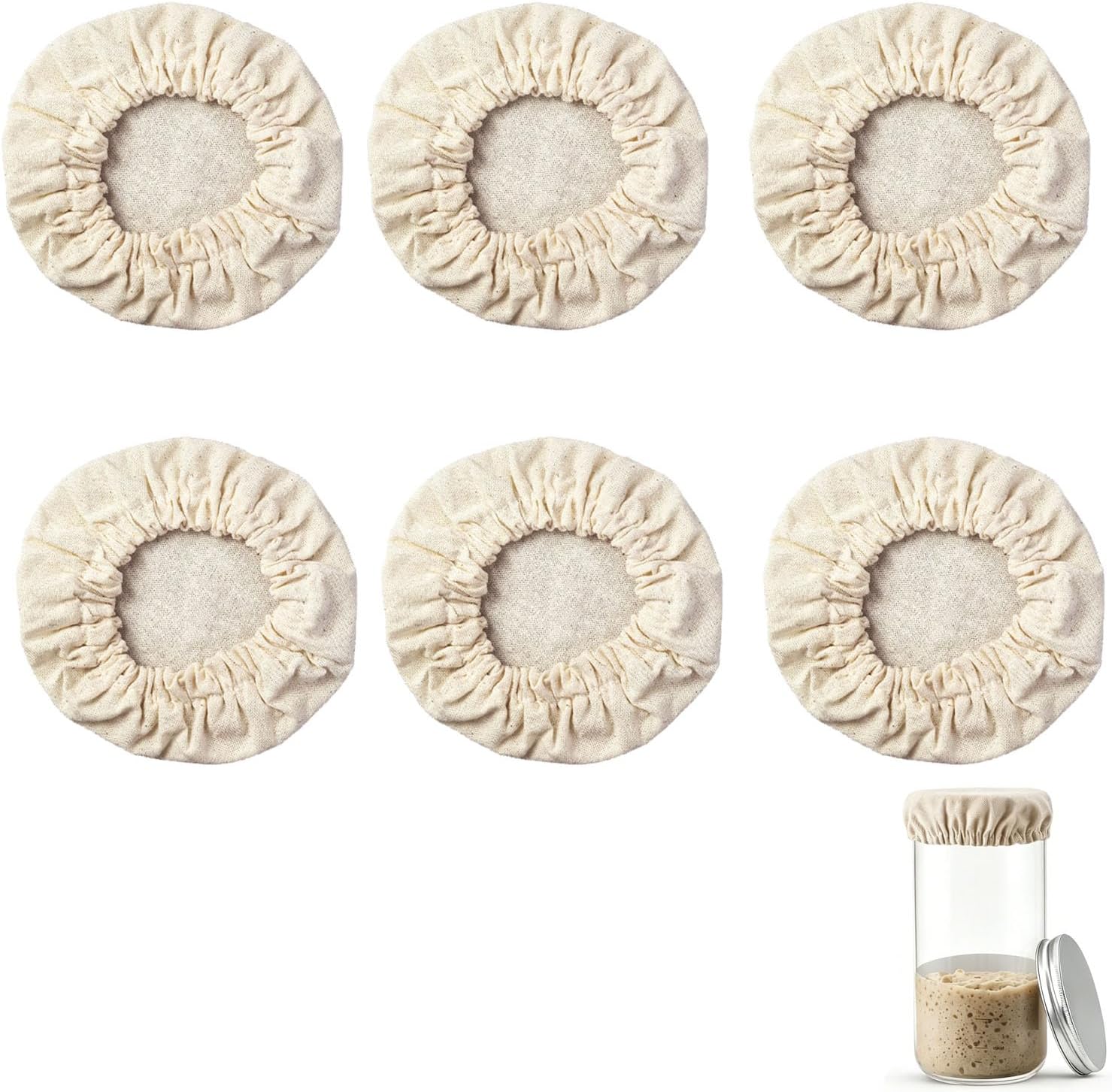
• Organic Cotton Jar Covers: These tightly woven, 100% organic unbleached cotton covers are highly breathable, allowing carbon dioxide gas to escape freely so your drink remains completely still and flat rather than building up fizz. They feature built-in elasticity to snugly fit a 1-litre jar mouth, creating a solid shield that keeps out fruit flies, dust, and airborne contaminants. When your hemp milk kefir separates and forms a thick head at the top of the jar during fermentation, a small amount of the hemp fat might touch the underside of the fabric. You should wash the jar covers in warm water using a mild, fragrance-free dish soap as residual chemical perfumes trapped in the cotton fibres can affect the delicate aroma of your next batch of hemp milk kefir.
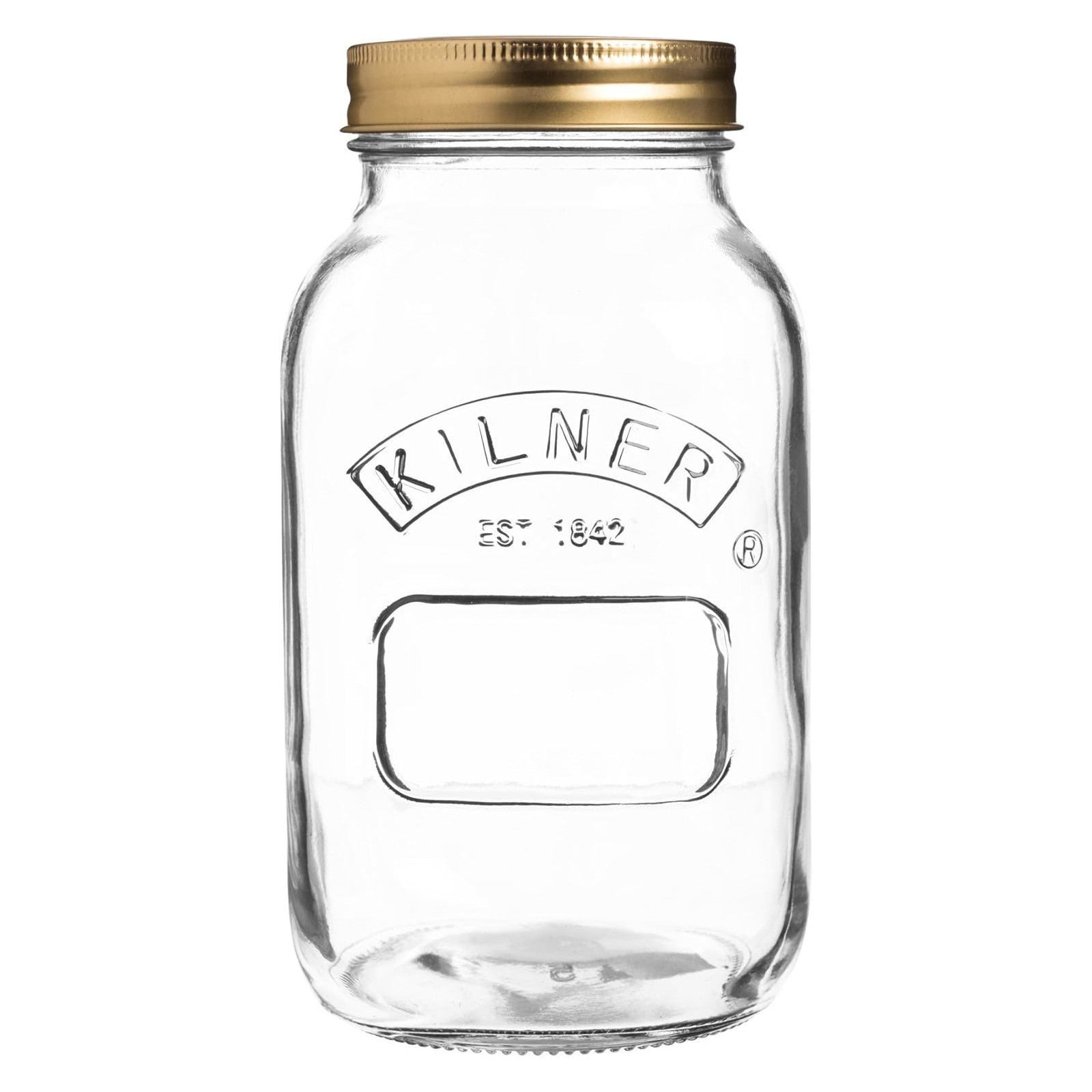
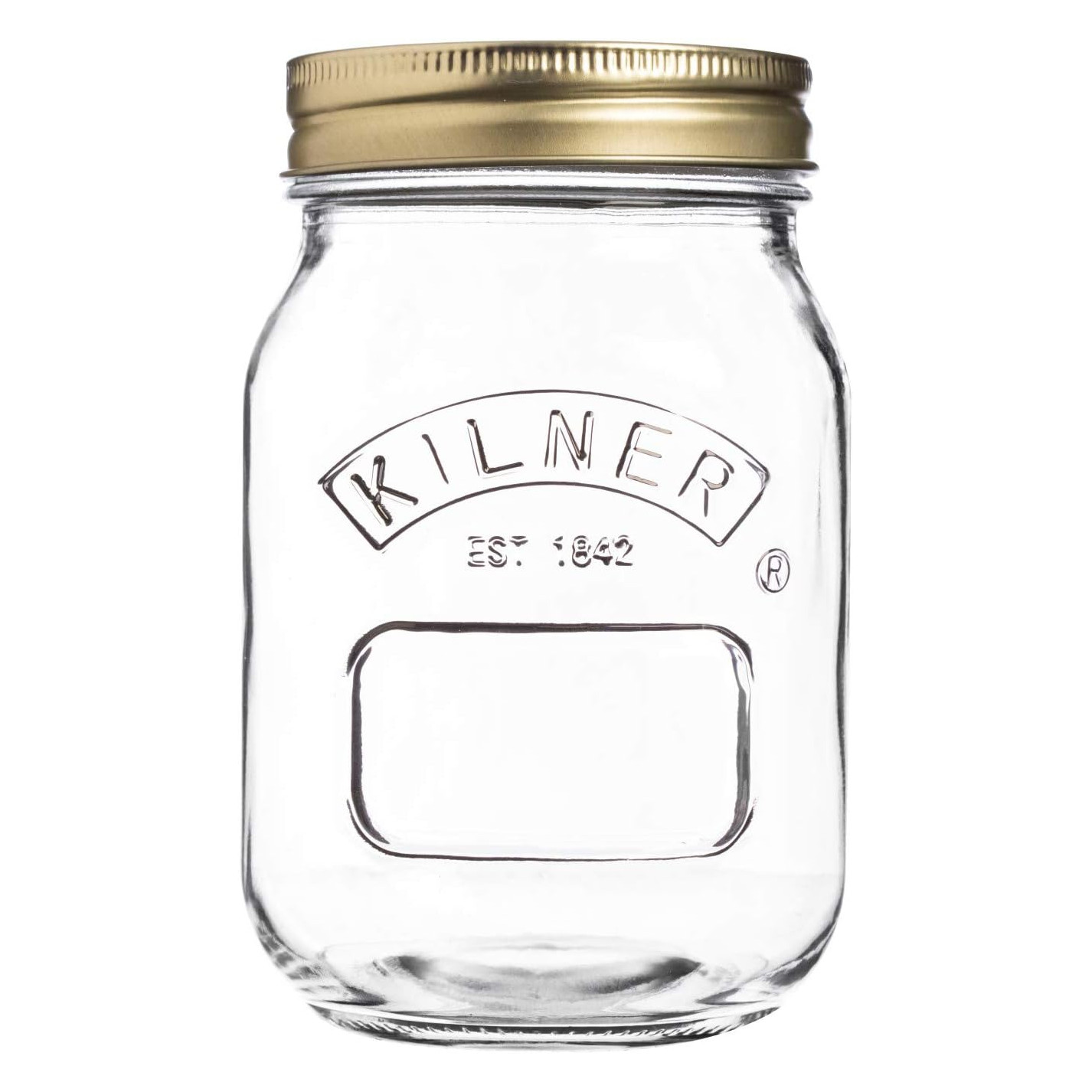
• Glass Jars: One 1-litre glass mason jar for primary fermentation, and one smaller 250ml glass jar for grain maintenance.
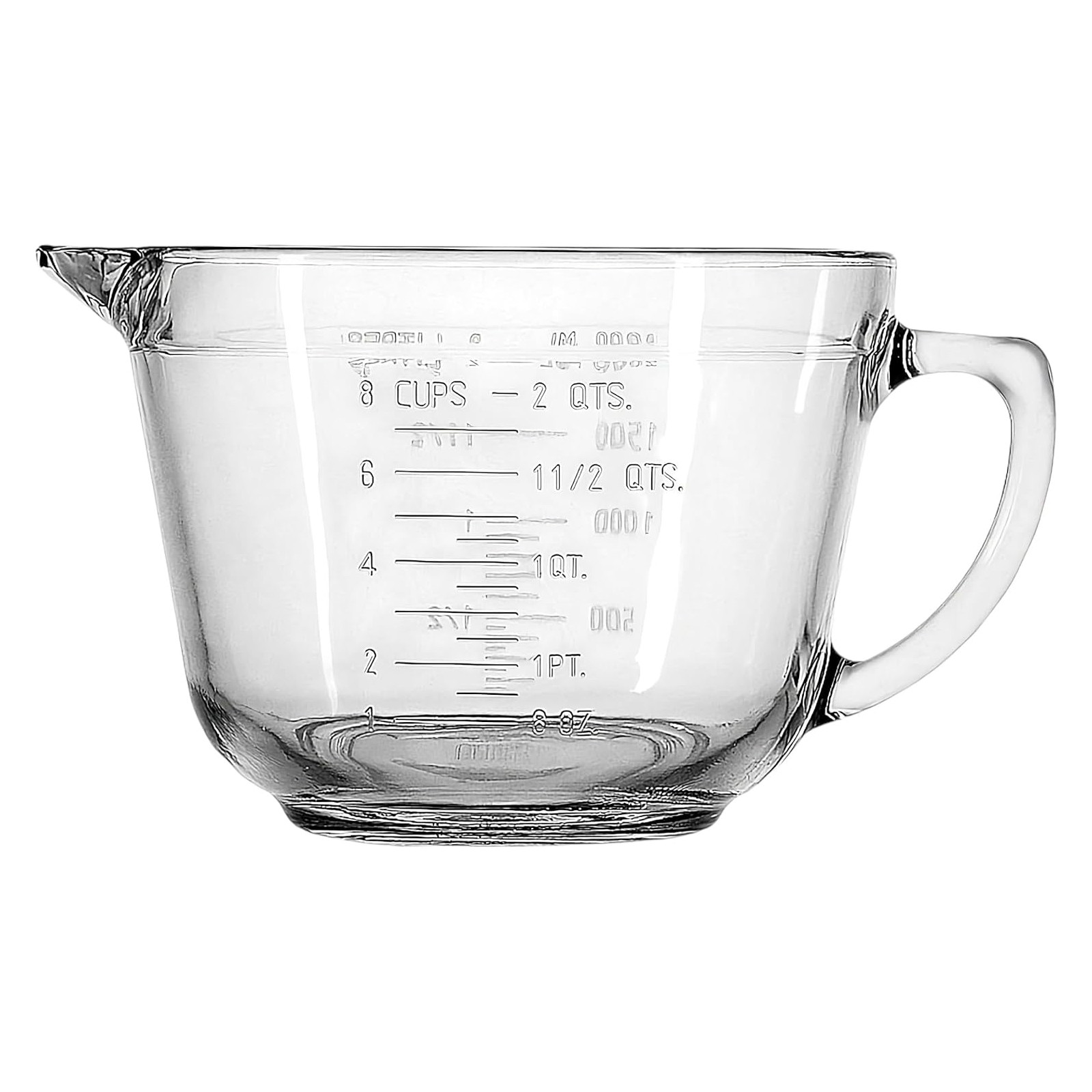
• Glass Jug: I decided to store my hemp milk kefir in glass bottles that I had saved from the Organic Tart Cherry Juice I regularly drink. They are ideal for the job! However, straining the hemp milk kefir into the bottle required a funnel and was a bit of a balancing act so I decided to purchase a large 2-litre glass jug so that I could rest the strainer over the jug and leave it there a while to strain completely before pouring it from the jug into my storage bottle.
2. Raw Ingredients
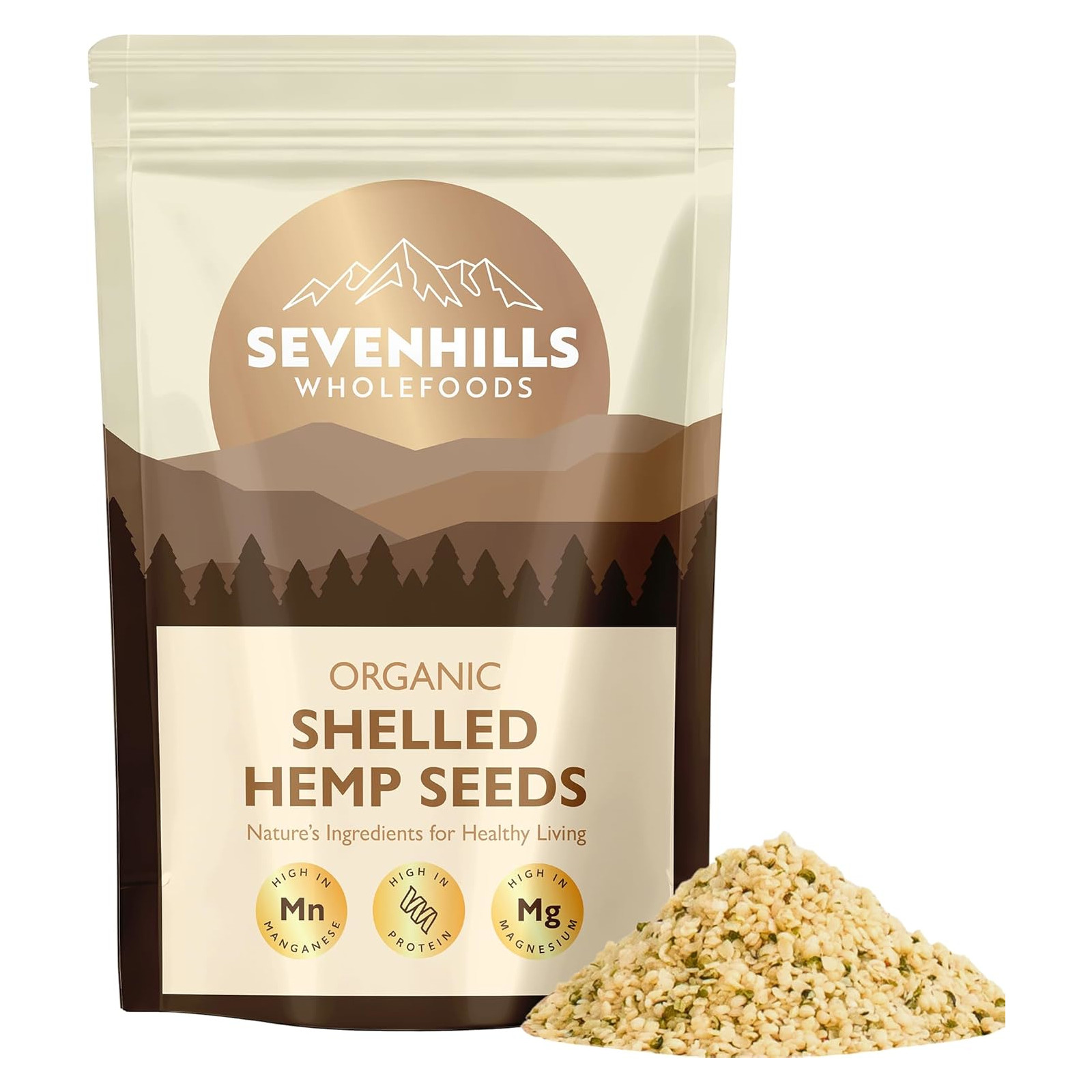
• Organic Shelled Hemp Seeds / Hemp Hearts: Ensure they are “shelled” or “hulled” seeds rather than whole seeds so you don’t blend hard, crunchy husks into your milk. Hemp hearts (shelled hemp seeds) are exceptionally rich in polyunsaturated fatty acids (Omega-3 and Omega-6). While these fats are incredible for your brain and heart, they are highly sensitive to light, heat and oxygen. Store them in the fridge (lasts 1 year) or freezer (lasts 2 years) to protect their delicate, polyunsaturated omega oils from turning rancid. Because they have a low water content, they won’t freeze solid, so you can scoop them straight out of the freezer into your blender. Always squeeze as much air out of the bag as possible before resealing it.
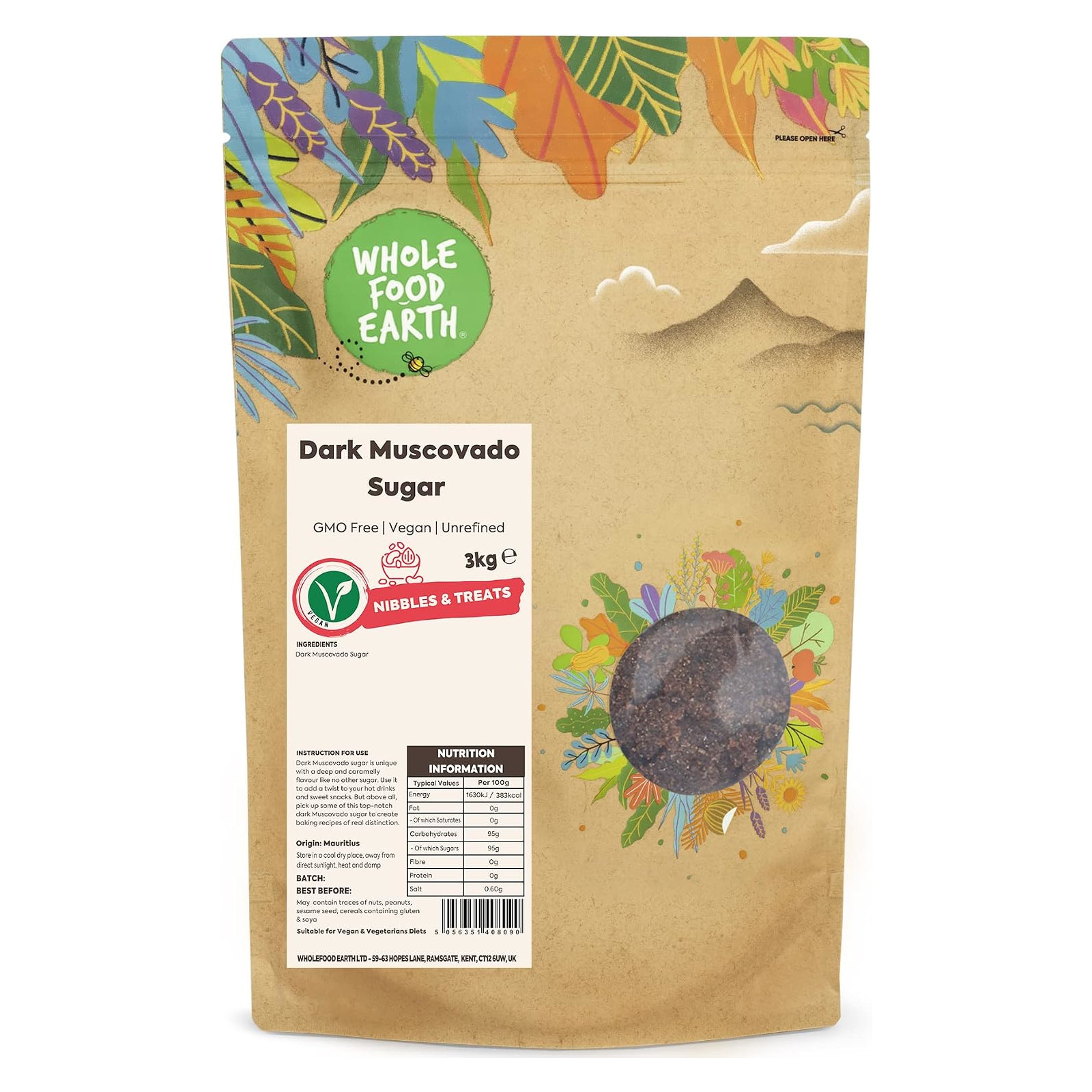
• Dark Muscovado Sugar: Water kefir grains strictly require sucrose to stay healthy, ferment and build their cellular walls. They also need some minerals, but if a sweetener is too mineral-rich or lacks the right type of sugar, it can stress, melt, or permanently damage the grains. Completely unrefined cane sugars like Panela, Rapadura, or Dark Muscovado naturally retain 10-15% real molasses. This provides the perfect balance of pure sucrose fuel and built-in essential minerals (like magnesium and iron).
Make sure you avoid alternatives like honey, which possesses natural antibacterial properties that can stun or kill the delicate live culture, as well as agave syrup or stevia, because agave is composed almost entirely of fructose (which kefir grains cannot use) while stevia contains no real sugars at all, meaning both will completely starve the grains of the glucose they need to survive. Similarly, seemingly healthier options like coconut sugar and pure maple syrup are not recommended either; coconut sugar is so incredibly dense in natural minerals that it creates a highly acidic environment that can quickly overfeed and literally dissolve the grains over time, while pure maple syrup is far too biologically complex and low in pure sucrose, causing a sluggish, weak fermentation that will eventually stress, warp, or permanently damage your water kefir culture.
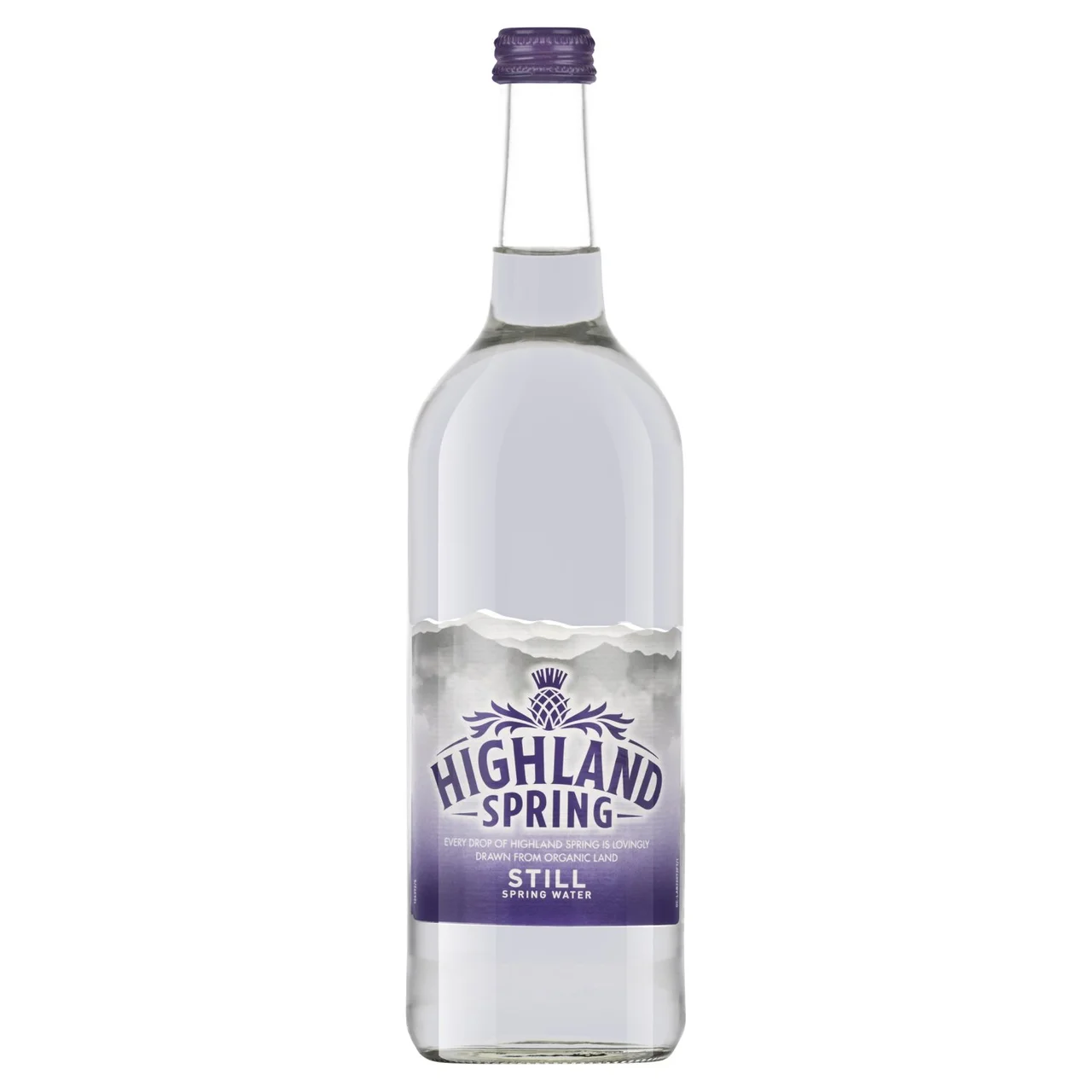
• Still Mineral Water: Chlorine in tap water can kill the kefir grains. You can run tap water through a standard filter jug (like a Brita) to strip volatile chlorine while preserving the natural hard-water minerals, but I prefer to use bottled still mineral water (in a glass bottle) as that is the only water I would normally drink. Never use 100% distilled water. Water kefir grains are living organisms that strictly require minerals like calcium, magnesium, and potassium to build their physical, gel-like cellular walls and stay structurally strong. If you use pure distilled water, mineral starvation will cause your grains to stunt and turn to mush. If you must use distilled water, you will need to manually remineralise it by adding a pinch of Organic Pink Himalayan Salt to the litre of water you use to make your hemp milk.
Part 4: Step-by-Step Production & Storage Protocol
[ Raw Hemp Seeds + Water ] ──> [ Blended Hemp Milk ] ──> [ Add Kefir Grains + Sugar ] ──> [ Hemp Milk Kefir ]
Day 1: The Arrival & Reset Bath
Live cultures are perishable and will be stressed from travelling in a dark postal box. The moment they arrive, unpack them and run a “Reset” batch to wash away transit stress and wake the microbes up completely.
1. Dissolve 1 tablespoon of Dark Muscovado sugar in 250ml of room-temperature filtered water in your small jar.
2. Drop the grains in, slip your elasticated cotton jar cover over the top, and let them rest on the counter out of direct sunlight for 24 hours.
Day 2: Blending the Milk & Pitching the Grains
1. Make the Milk: Pour 100g of raw hemp hearts and 1 litre of mineral water into a high-speed blender. I use my nutribullet. Blitz for 60 to 90 seconds until completely creamy and chalk-white. Blending the raw hemp seeds into milk breaks open the seed walls. This exposes the internal fats, proteins, and fibres so the kefir microbes can access and transform them much more efficiently than if you tried to ferment whole seeds. Do not strain the milk – we want to keep the prebiotic fibre intact!
2. Dissolve the Sugar: Pour your fresh hemp milk into your large 1-litre jar, add 3 tablespoons of dark muscovado sugar, and stir thoroughly with a plastic or wooden spoon until the sugar is fully dissolved. Ensure the liquid is strictly at room temperature.
3. Pitch the Grains: Strain your grains out of the wake-up water, discard the liquid, and gently rinse the grains under a trickle of mineral water. Drop your 4 tablespoons of active grains into the sweetened hemp milk. Give it one gentle stir.
4. Ferment: Secure your breathable cotton jar cover over the mouth of the jar. This lets the fermentation gases escape while keeping dust and fruit flies out. Leave the jar in a warm spot on your kitchen counter, out of direct sunlight, for 24 to 48 hours. You should keep the fermentation jar between 18°C and 25°C. Anything hotter than 30°C can cook and kill the probiotics; anything colder than 15°C will put them into a deep sleep.
Day 3 to 4: Harvesting and Storing Your Still Kefir
1. Between 24 and 48 hours, the mixture will develop a slightly sour, tangy aroma and will naturally separate into a thick, creamy layer at the top and a thinner liquid at the bottom. This is perfectly normal and a sign that the fermentation is working!
2. Balance your large plastic mesh strainer on the 2-litre glass jug. Give the fermented kefir a good stir, then pour it through the strainer to catch the water kefir grains. Allow it to rest there a while to strain completely, then pour the hemp milk kefir into your clean glass storage bottle.
3. Put a solid plastic or metal lid on your storage bottle, but leave it a quarter-turn loose. This allows any tiny trace of CO₂ gas produced by the chilled, sleepy yeast to vent safely, prevents an unpleasant skin from forming, and stops the porous hemp fats from absorbing strong fridge odours.
4. Store in the fridge, giving the bottle a very vigorous shake before pouring to remix the layers. We have always drunk ours within 24 hours, but it will last up to 7 days.
5. Wash your grains and repeat immediately or, if you would like to pause your hemp milk kefir production, you will need to put the grains into a “sugar-water buffer” in the refrigerator, where the cold temperature acts like a pause button for the microbes, slowing down their activity but keeping them fed to protect them from starving. To do this, dissolve 1 tablespoon of Dark Muscovado sugar in 250ml of still mineral water in your small jar, drop the grains in, and seal the jar with its standard metal lid. Do not screw it down completely tight as, even in the refrigerator, the grains will slowly produce a tiny amount of carbon dioxide gas, which needs to vent. They can safely rest in the refrigerator in this solution for up to 14 days.
Part 5: The Essential “Oil Cleanse” Maintenance Protocol
Hemp seeds are packed with rich, healthy fats. When you strain your finished hemp milk kefir, a thin, slippery film of hydrophobic hemp fat will cling to the surface of your water kefir grains. Because oil repels water, pouring water over them in the strainer will not completely strip away this grease barrier. Left unchecked, this trapped plant fat will eventually suffocate the grains and block them from absorbing sugar properly.
To maintain peak fermentation strength, it is advisable to run a Room-Temperature Oil Cleanse once every 3 to 4 batches of hemp milk kefir, or any time you notice your hemp milk is taking longer than 48 hours to ferment, or your hemp milk kefir isn’t tasting as tangy.
The 48-Hour Cleanse Steps:
1. The Cleanse Batch: Dissolve 4 tablespoons of dark muscovado sugar into 1 litre of room-temperature filtered water in your large jar. (Note that we use 4 tablespoons of sugar for the cleanse as opposed to the 3 tablespoons of sugar we use when fermenting the hemp milk. This is because the kefir grains will grow and consume sugar much faster in clear water than they do in thick hemp milk and we must ensure that the kefir grains do not run out of food and start starving.)
2. The Ferment: Drop your oily grains straight into the sugar solution, cover with your breathable cotton jar cover, and let it sit on the counter for 48 hours. Because the oil has been blocking their access to sugar, letting them ferment an oil-free sugar solution at room temperature gives them an instant, easy-to-digest burst of pure energy, allowing the microbes to rebuild their strength and multiply much faster. As they grow and push out new cellular structures, they naturally slough off the hemp fat layer off their outer cell structures into the clear water.
3. The Harvest: After 48 hours, the water will look murky, smell sharply vinegary, and have a distinct film floating on top – this is the literal proof of the shed hemp fat. Strain your grains out using your plastic sieve and completely discard this waste liquid.
4. Confirm the Cleanse: Look for the 4 signs of success: a return of glassy translucency (looking like clean diamonds instead of opaque cream shards), a non-greasy, firm, bouncy texture to the touch, visible oil slicks on the waste water surface, and normal dynamic clumping where grains move freely rather than sticking together in a greasy mass.
5. Give them one quick rinse with filtered water to clear loose surface oils, and drop them straight back into a fresh batch of homemade hemp milk!
Part 6: How and When to Consume Your Hemp Kefir
To get the absolute most out of the probiotics and nutrients, the timing of when you drink your hemp milk kefir matters.
• First Thing in the Morning (Best for Probiotic Survival): Drink a glass of hemp milk kefir on an empty stomach, 20–30 minutes before breakfast. Your stomach acid is less harsh when empty, letting the probiotics pass through completely unharmed to colonise your large intestine.
• 30 Minutes Before Bed (Best for Sleep & Relaxation): Enjoying a glass of hemp milk kefir in the evening acts as a calming tonic. Hemp kefir is naturally rich in magnesium and the amino acid tryptophan (which your brain uses to produce serotonin and melatonin). The clean, healthy fats and proteins keep your blood sugar perfectly stable throughout the night, preventing midnight waking, while the magnesium relaxes your muscles for a deeper sleep cycle.
A Note for Beginners
If you are new to drinking live, unpasteurised ferments, start small. Drink just 2 to 3 tablespoons a day for the first few days. Because your hemp milk kefir contains billions of active bacteria, introducing too much too quickly can cause a minor “die-off” effect in your gut, leading to temporary bloating. Give your unique microbiome a week to adapt before building up to a full glass (or two) daily.
The Sugar Dilemma: Is There Sugar in the Final Product?
Scientific studies on water kefir fermentation show that while the microbes aggressively consume sucrose as their primary fuel source, a standard 24 to 48-hour fermentation cycle leaves behind a small amount of residual sugar.
• The 80% Drop: In a typical 48-hour room-temperature ferment, the probiotic bacteria and yeasts consume roughly 80% of the initial sugar you added.
• What’s Left: If you start with our recipe’s 3 tablespoons of sugar (approx. 36 grams) in 1 litre of hemp milk, your finished drink will generally contain only about 1 to 1.5 grams of sugar per 100ml. This makes it an incredibly low-sugar, diabetic-friendly beverage.
• The “Sour Barrier”: The microbes eventually stop eating sugar not because they get full, but because they produce lactic and acetic acids as waste. Over time, the liquid becomes so acidic (sour) that it puts the microbes to sleep before they can eat the very last molecule of sugar.
How to Control the Final Sugar Content:
• For Less Sugar (More Sour): Let the fermentation run the full 48 hours (or even 60 hours if your kitchen is cool). The longer it sits, the more sugar the grains consume. The final drink will taste highly tangy.
• For More Sugar (Sweeter): Stop the fermentation at 24 hours. The grains will have activated the hemp and populated it with probiotics, but they won’t have finished their meal. The final drink will taste noticeably sweeter and milder.
• A quick tip: If you let it ferment all the way to 48 hours so the sugar is mostly gone, but you still want it to taste pleasantly sweet, you can stir in a zero-sugar sweetener like monk fruit extract right before putting it in the fridge. Another alternative, and my favourite way to enjoy my hemp milk kefir, is to blend it in the NutriBullet with a banana for natural sweetness, an avocado for additional anti-inflammatory fats, and cacao powder for rich antioxidants. Because blender blades are made of high-grade, non-reactive stainless steel and the contact time is under 30 seconds, it is completely allowed and safe – it won’t cause any chemical reactions or harm your probiotics.
Does Homemade Hemp Milk Kefir Contain Alcohol?
Your finished hemp kefir will contain a tiny trace of alcohol, but it is a completely negligible amount.
Because water kefir grains are a symbiotic mix of both bacteria (which produce gut-friendly acids) and yeasts (which ferment sugar into alcohol and CO₂), ethanol is a natural, unavoidable byproduct of the fermentation process.
The Alcohol Content Breakdown:
• Standard Batch (24 to 48 hours): The final drink will typically hover between 0.1% and 0.5% ABV (Alcohol By Volume).
• The Comparison: This is roughly the same trace amount of alcohol found in a very ripe banana, a glass of commercial orange juice, or a slice of rye bread. It is considered completely “non-alcoholic” by food safety standards and will not cause any intoxication or buzz.
How to Keep the Alcohol Levels as Low as Possible:
If you want to minimise the alcohol content as much as possible for children, pregnancy, or personal preference, use these three simple techniques:
• Keep It Well-Oxygenated: Do not use an airtight lid during the primary fermentation. Keep the jar covered with a breathable cotton cover, as described above. When oxygen is present, the bacteria thrive and consume the alcohol that the yeast produces, turning it into healthy organic acids.
• Ferment at Cooler Temperatures: Yeasts love high heat. If your kitchen is very warm (above 25°C), the yeast will outwork the bacteria and produce more alcohol. Keep your jar in a cooler spot (around 18°C to 21°C) to keep the bacteria in control.
• Chill Immediately: As soon as you strain out the grains, put the finished hemp milk kefir straight into the fridge. The cold temperatures freeze yeast activity in its tracks, preventing any further alcohol from building up.