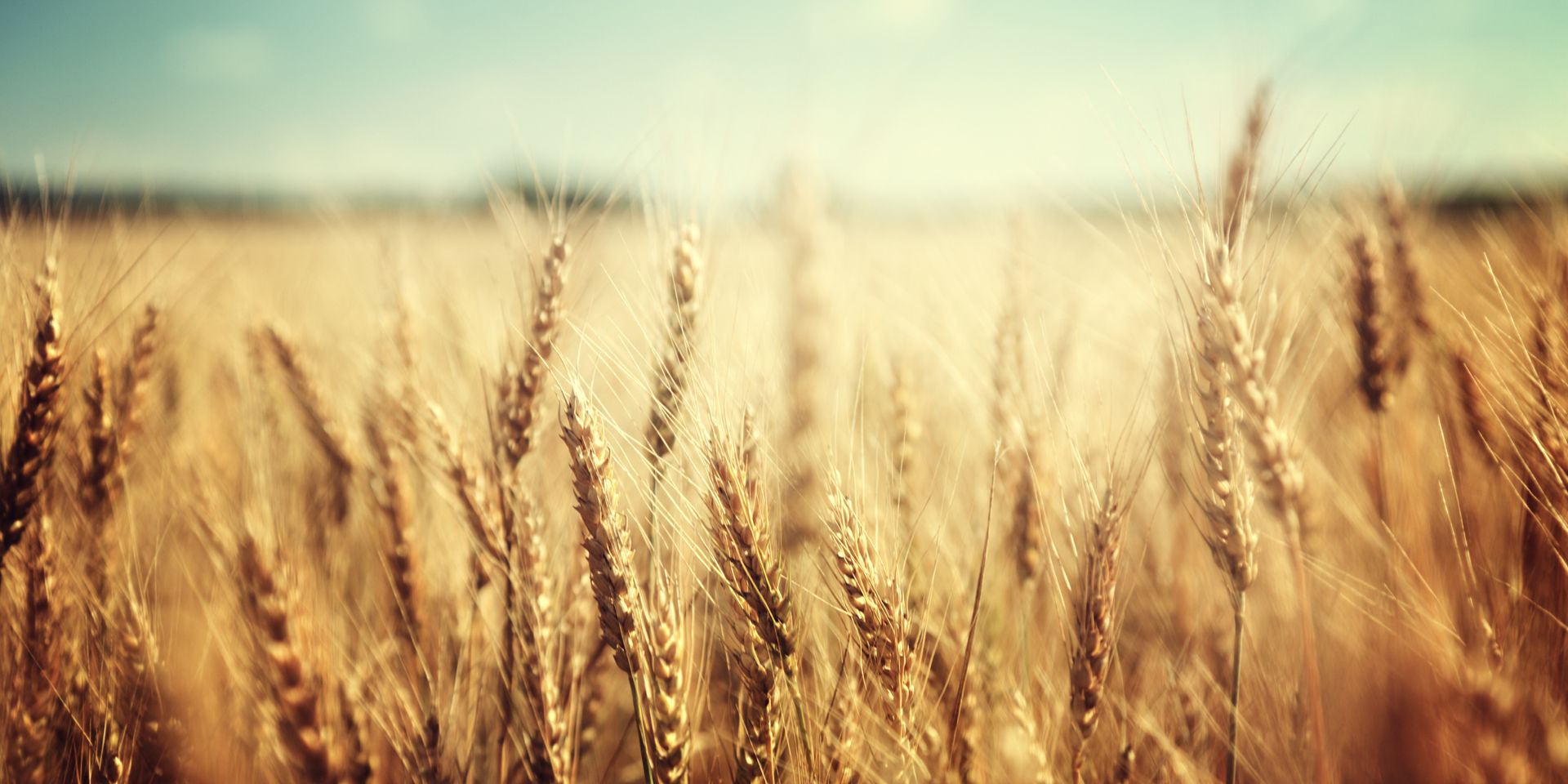
If you’ve been looking for a way to bring deep, rustic flavours back into your home baking – or if modern wheat leaves you feeling sluggish and bloated – it is time to step back in time. Meet einkorn, the world’s oldest cultivated variety of wheat.
Unlike the highly hybridised, industrially processed white flours filling supermarket shelves today, einkorn remains entirely unchanged by modern agriculture. It’s an “ancient grain” in the truest sense, carrying a unique genetic structure that makes it a completely different beast to bake with – and a complete joy to eat.
Let’s dive into why this incredible grain is making a massive comeback across the UK, how to handle it in your kitchen, and where you can find it.
What Makes Einkorn So Special?
The secret to einkorn’s magic lies in its DNA. Modern bread wheat has been cross-bred over centuries to produce 42 chromosomes, optimized for high yields and incredibly strong, stretchy gluten. Einkorn is a diploid wheat with only 14 chromosomes, remaining exactly as it was when first domesticated in the Fertile Crescent over 10,000 years ago.
This simple genetic makeup changes everything:
• Gentle on Digestion: While einkorn does contain gluten (and is not safe for those with Coeliac disease), its gluten structure is exceptionally weak, fragile, and water-soluble. Many people with non-coeliac gluten sensitivities find they can digest einkorn comfortably without the typical discomfort caused by modern wheat.
• A Nutritional Powerhouse: It contains significantly more protein, dietary fibre, iron, zinc, and magnesium than standard modern flours. It is also packed with lutein, a powerful antioxidant that gives the flour a beautiful, natural golden hue.
• Unbeatable Flavour: Forget the bland profile of standard all-purpose flour. Einkorn has a rich, deeply nutty, and slightly sweet taste that brings an effortless artisan quality to anything you bake.
The Nutritional Anatomy of Einkorn vs. Modern Wheat
When we look at einkorn through a scientific lens, it is clear that centuries of hybridisation for industrial yield have dramatically diluted the nutritional value of modern wheat (Triticum aestivum). Because einkorn (Triticum monococcum) retains its original 14-chromosome diploid structure, its nutrient density remains entirely intact.
Here is how einkorn stacks up analytically against modern industrial wheat:
3 Key Health Benefits Backed by Science
1. A Radically Different Gluten Structure (The Solubility Factor)
The most common question health-conscious consumers ask is: Is einkorn gluten-free? The answer is no, but its gluten behaves entirely differently in the human body.
Modern wheat contains a complex arrangement of high-molecular-weight glutenin proteins, cross-bred to create the highly elastic, stretchy dough required by industrial commercial bakeries. Einkorn, conversely, possesses a high ratio of gliadin to glutenin, resulting in a weak, highly water-soluble gluten matrix.
• The Digestibility Mechanism: When exposed to digestive enzymes in our gastrointestinal tract, einkorn’s fragile gluten breaks down rapidly and easily. Clinical studies exploring non-coeliac gluten sensitivity have shown that many individuals who experience bloating, systemic inflammation, or lethargy from modern wheat can comfortably metabolize einkorn without triggering an inflammatory response.
• Critical Medical Note: Because einkorn still contains alpha-gliadin genes, it strictly remains unsafe for individuals diagnosed with Coeliac Disease, an autoimmune condition triggered by any presence of wheat gluten.
2. Advanced Antioxidant and Carotenoid Shielding
Einkorn’s striking golden colour isn’t just aesthetic – it is a visual indicator of a massive concentration of lutein. Lutein is a powerful lipophilic antioxidant carotenoid that cannot be synthesised by the human body and must be acquired through diet.
Lutein accumulates preferentially in the retina, where it acts as a natural filter for high-energy blue light and protects ocular tissues from oxidative stress and age-related macular degeneration (AMD). Furthermore, einkorn is packed with essential tocols (Vitamin E isomers) and phenolic acids, which actively neutralize free radicals and lower biomarkers for systemic oxidative stress.
3. Metabolic Stability and Mineral Bioavailability
Modern ultra-processed flours cause rapid blood glucose spikes, prompting an aggressive insulin response from the pancreas that can contribute to insulin resistance over time. Einkorn boasts a lower glycemic index; its complex carbohydrate chain structure breaks down gradually, providing sustained, time-released energy.
Additionally, while modern wheat contains high concentrations of phytic acid – an antinutrient that binds to minerals and inhibits their absorption – einkorn naturally contains higher baseline concentrations of bound essential minerals like magnesium, phosphorus, and zinc. When combined with traditional sourdough fermentation, the phytic acid in einkorn breaks down almost entirely, drastically unlocking the grain’s trace minerals for maximum bioavailability in the human gut.
The Golden Rules of Baking with Einkorn
Because einkorn’s gluten structure is weak and it absorbs liquids differently than modern flour, you cannot treat it like standard bread flour. If you try to aggressively knead it, you will end up with a sticky, unmanageable mess.
Keep these three rules in mind:
1. Reduce the Liquid: Einkorn absorbs water much more slowly. If you are adapting a traditional recipe, try reducing the liquid content by roughly 15-20%.
2. Stop Kneading: Forget building a traditional gluten network. Einkorn dough benefits from a gentle, no-knead or minimal-mixing approach. Overworking the dough will destroy its delicate structure.
3. Embrace “Wet” Dough: Einkorn dough is naturally softer and stickier. Don’t keep adding flour to fix it; instead, use wet hands or a well-dusted bench scraper to shape it.
4 Incredible Einkorn Recipes to Try First
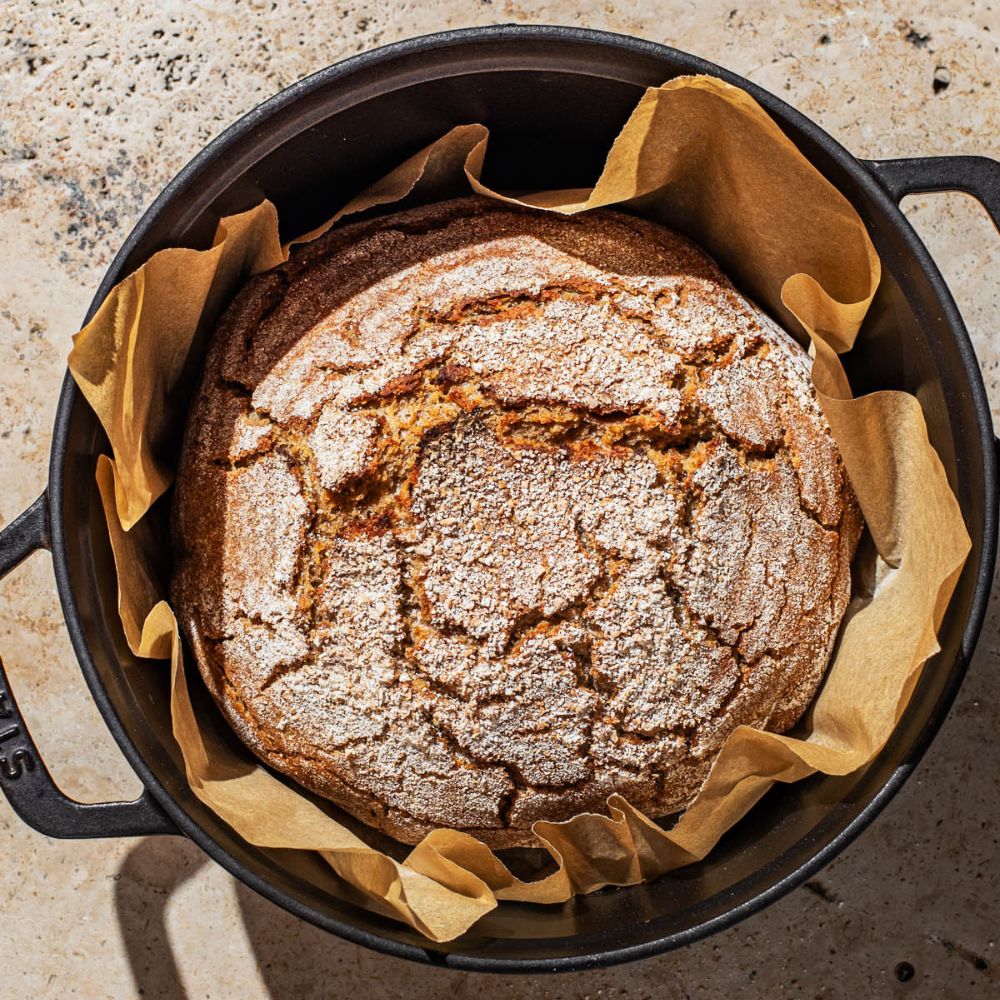
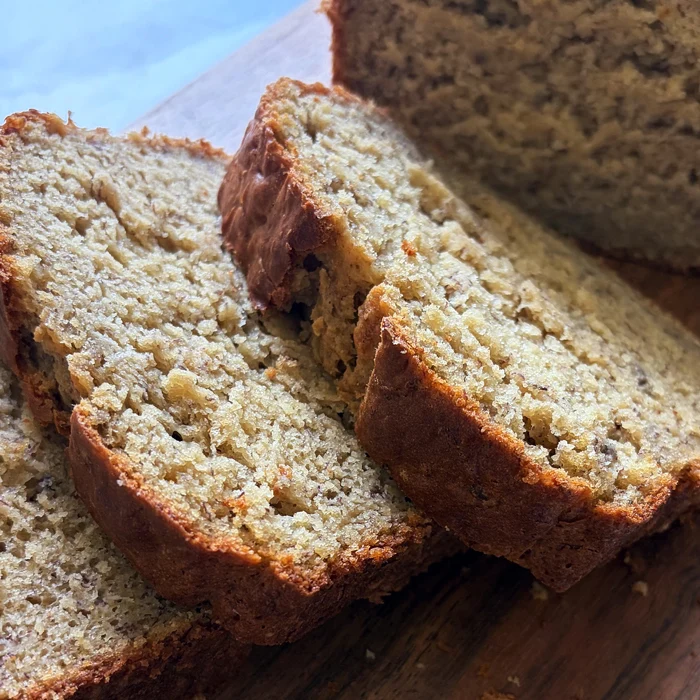
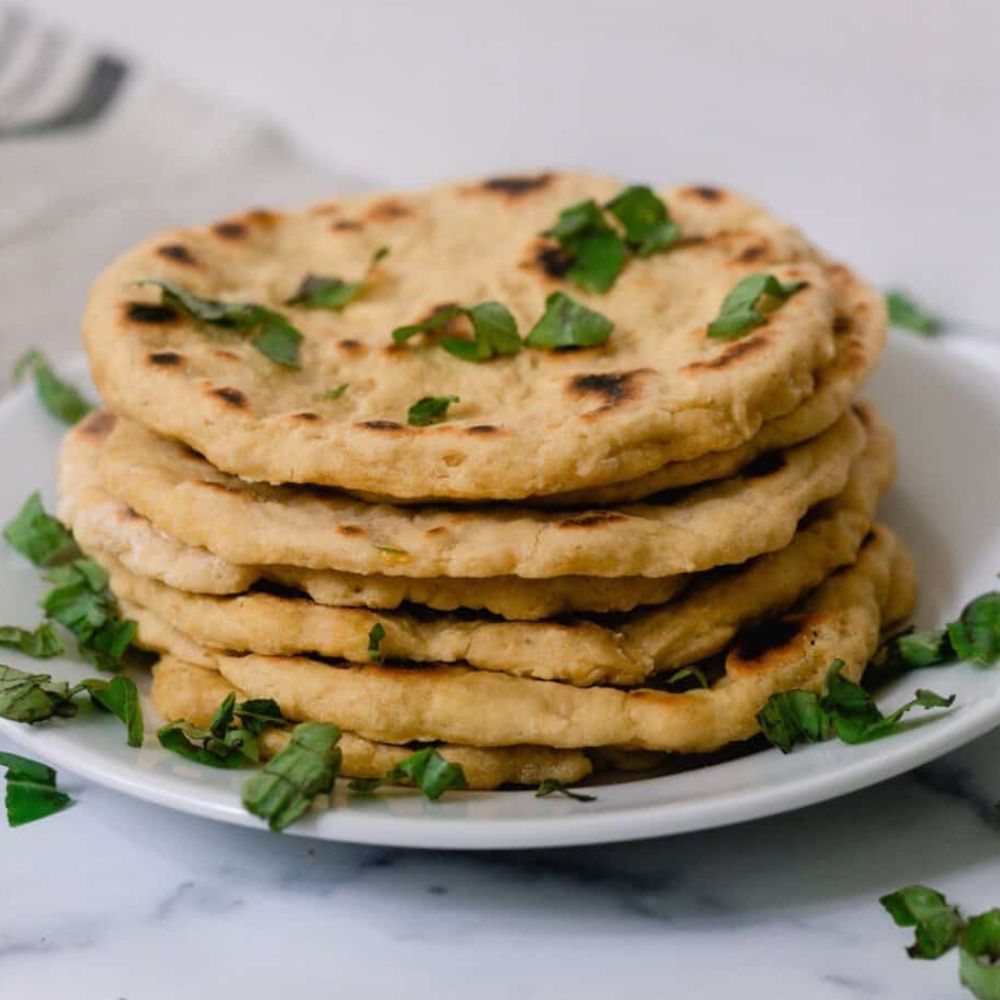
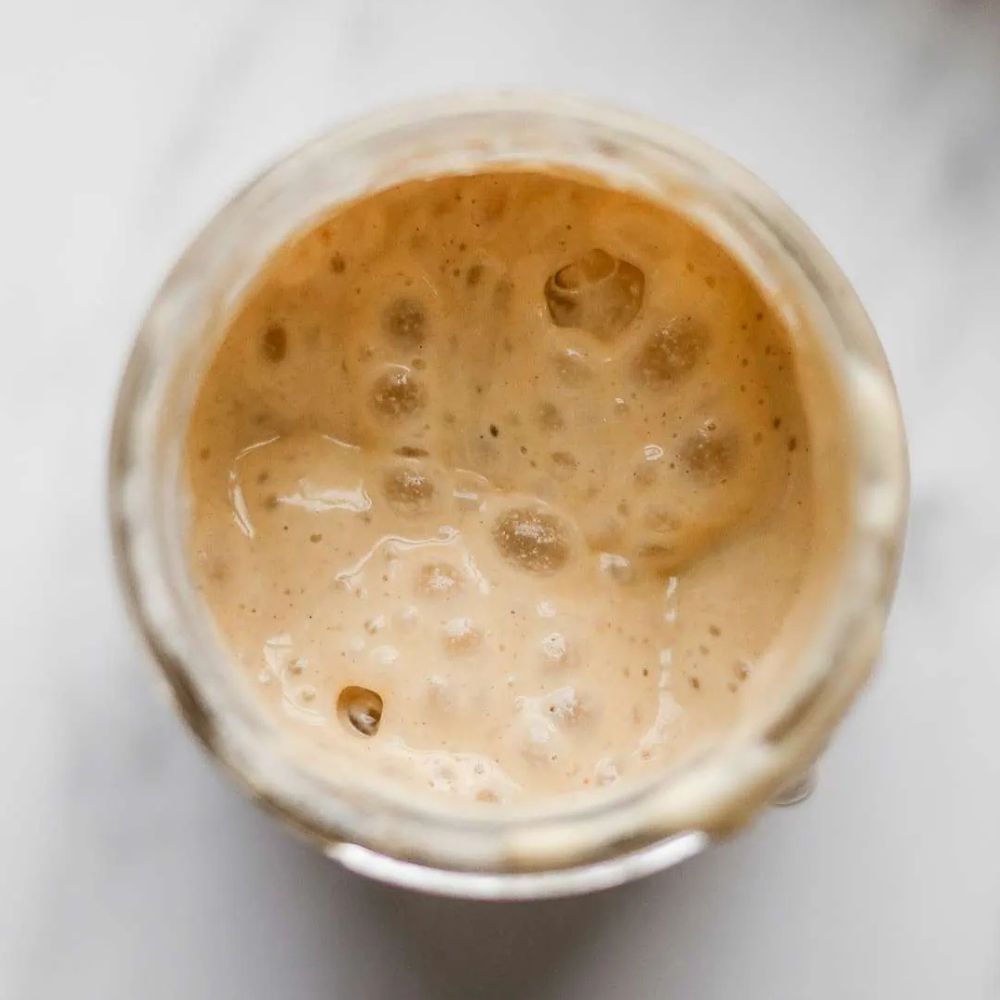
Ready to fire up the oven? Because of its fragile gluten, einkorn shines brightest in bakes that do not rely on a massive, structural rise. Here are four fantastic recipe concepts to get you started:
Where to Buy Einkorn Flour in the UK
Because it is a niche heritage grain, you won’t always find einkorn on standard UK supermarket shelves. Thankfully, excellent organic options are available online.
Below are the top-rated brands you can source directly via Amazon UK to kickstart your ancient grain journey:
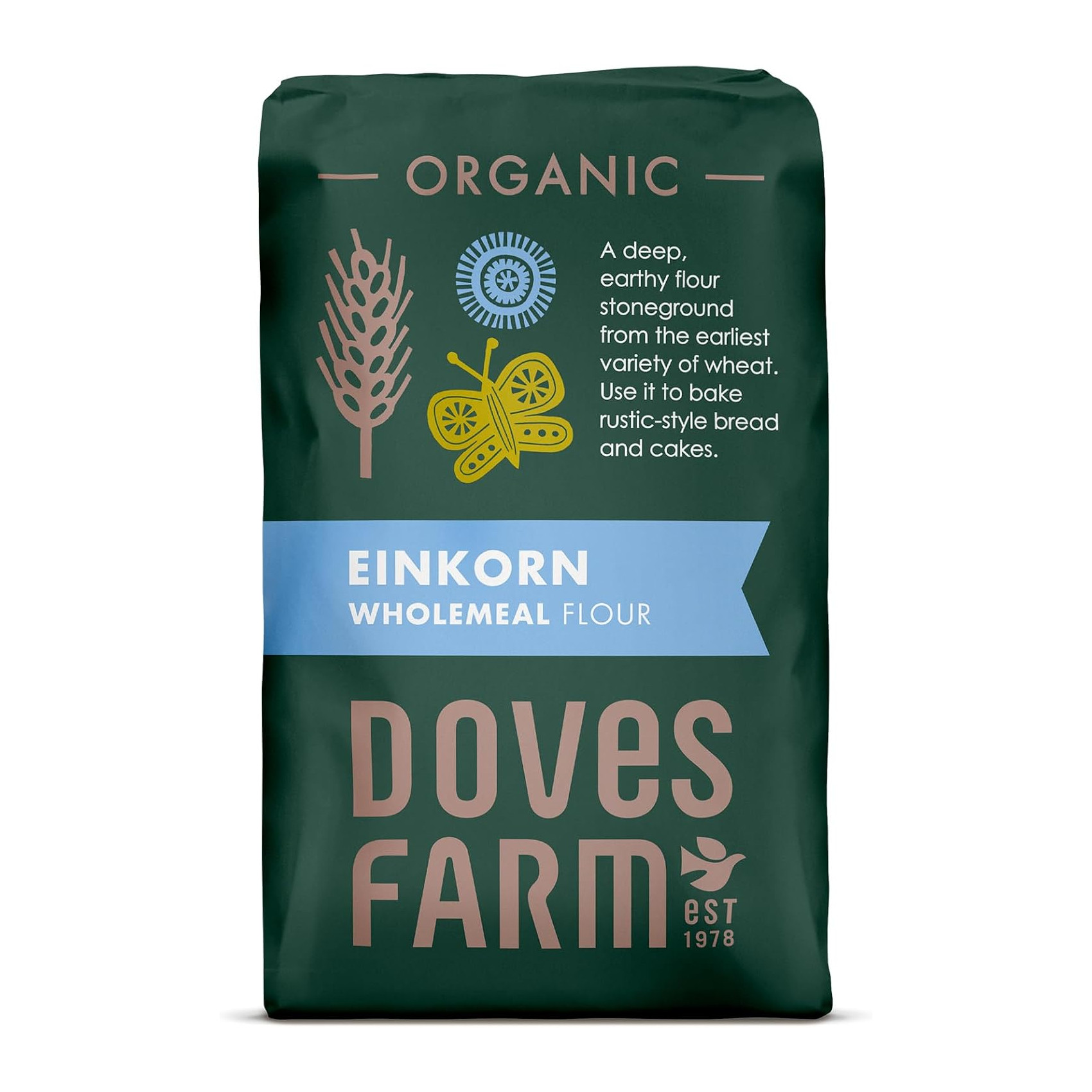
by Doves Farm
Milled in the UK from 100% organic heritage grain. This stoneground wholemeal variety retains the bran and germ, giving it an intensely rustic, earthy flavour profile that is absolutely perfect for artisan loaves, pizza bases, and biscuits.
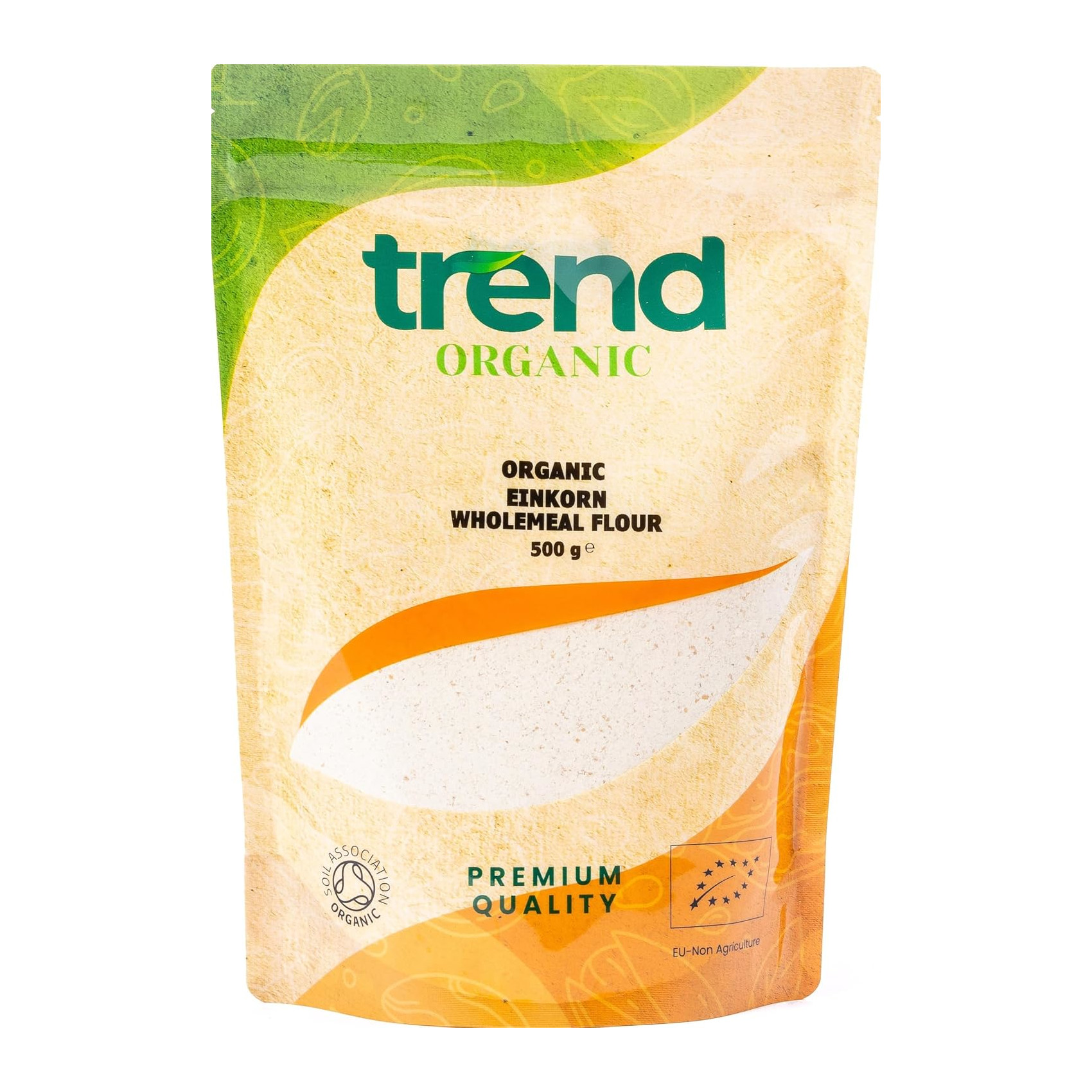
by Trend Organic
Certified by the UK Organic Soil Association, this non-GMO, vegan flour comes packaged in highly convenient, recyclable, and resealable stand-up pouches. It boasts a fine texture ideal for muffins, pancakes, and homemade pasta.
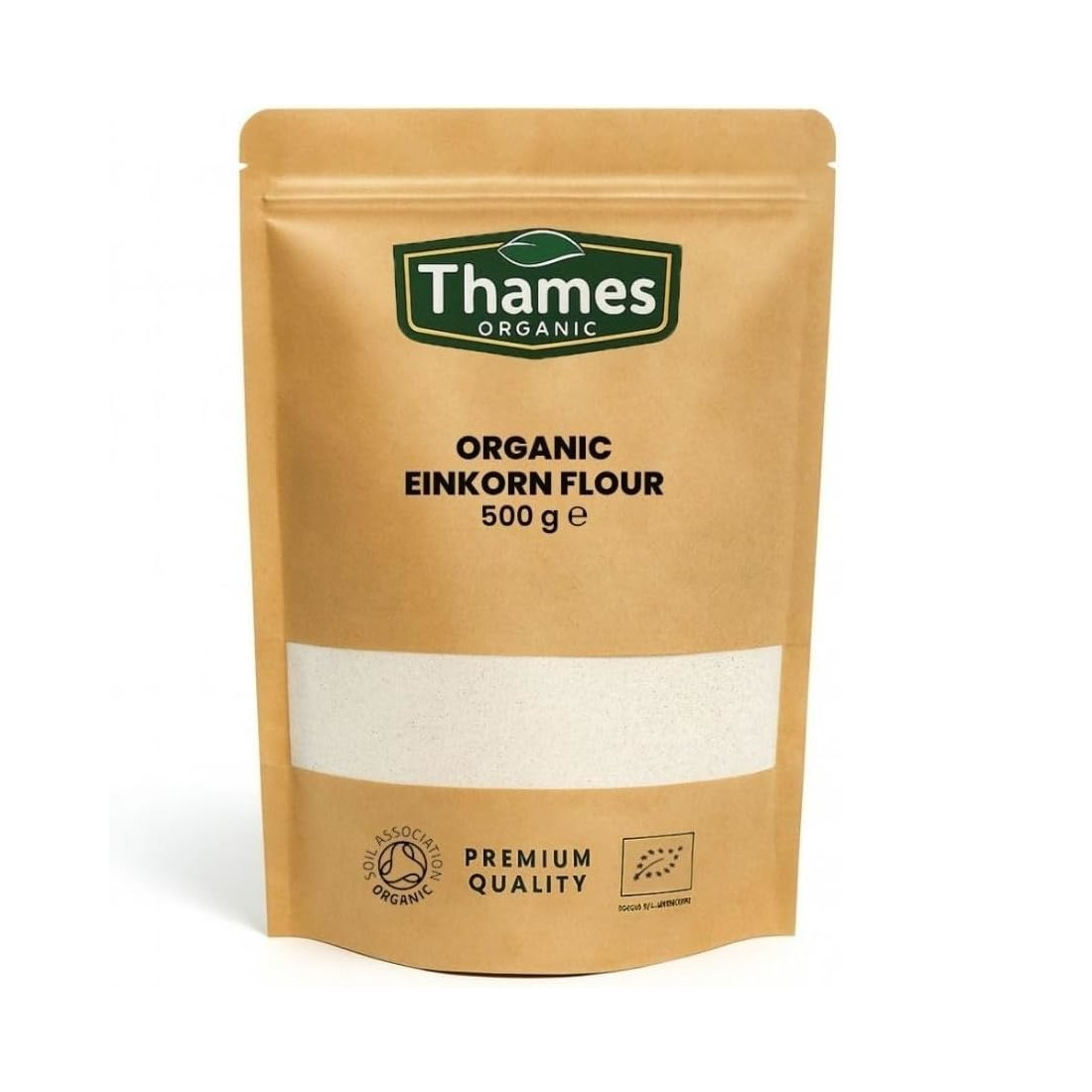
by Thames Organic
A premium, 100% certified organic alternative sourced sustainably without synthetic fertilizers or pesticides. This flour acts as a brilliant, nutrient-dense ingredient for health-conscious home bakers looking to dive into ancient grains.

