
If you love the simple joy of baking at home or grabbing a fresh loaf from your local bakery, read on. A major shift is quietly happening behind the scenes in the UK food industry and it impacts almost every standard bag of flour and loaf of bread on supermarket shelves.
By law, under the Bread and Flour (Amendment) Regulations, all non-wholemeal common wheat flour (which includes standard white and brown flours) must now be fortified with Folic Acid (Vitamin B9). Enforced by a strict deadline of 13 December 2026, UK millers are legally mandated to add 0.25 mg of folic acid per 100g of flour.
While public health agencies present this as a straightforward win for preventing birth defects, a growing number of doctors, researchers, and health-conscious bakers are deeply concerned about the lack of choice and the potential downstream health risks of mass-medicating an entire population without consent.
Why Mass Fortification Is Bad News
To understand why this mandatory change is sparking fierce debate, it helps to look at the science of what is actually being added to our food.
In the video below, health researchers Dr. Clare Craig and Dr. Tim Kelly sit down to explain exactly why synthetic folic acid is completely different from the natural folate our bodies need, and why forcing it into the population’s baseline diet could have serious unintended consequences.
Watch the full discussion here:
The Core Issues: Folic Acid vs. Natural Folate
• It is entirely synthetic: Folic acid does not occur in nature. It is a synthetic molecule with a long shelf life used by industrial millers because natural methyl-folate degrades too quickly.
• It blocks natural nutrient pathways: Synthetic folic acid binds to your body’s folate receptors significantly tighter than natural folate. By clogging up these pathways, it can paradoxically block your cells – especially in the brain – from absorbing the natural, usable vitamins you get from real food.
• Hidden health risks: Large baseline intake of synthetic folic acid has been linked in studies to a significantly increased risk of certain pathologies, including prostate cancer. Furthermore, the NHS explicitly advises specific groups – including those with active cancers, heart stents, or B12 deficiencies – to avoid it, yet it will now be nearly impossible for them to do so when eating out or buying everyday bread.
How to Bypass the Mandate Safely
If you believe in bodily autonomy and want to choose exactly what goes into your body, you do not have to accept synthetic additives in your daily bread. Thankfully, the law includes some clear exemptions.
Option 1: Switch to Ancient Heritage Grains
According to the official guidelines highlighted by organic milling experts Doves Farm:

Wholemeal wheat flours are exempt from the regulation and will not contain folic acid. Ancient grain and other non-wheat white flours such as Spelt, Einkorn, Emmer and Rice are also not covered by the legislation and will not be fortified.
This means if you want a clean, unadulterated flour to bake with, your best path forward is to look beyond modern, industrially hybridised wheat varieties.
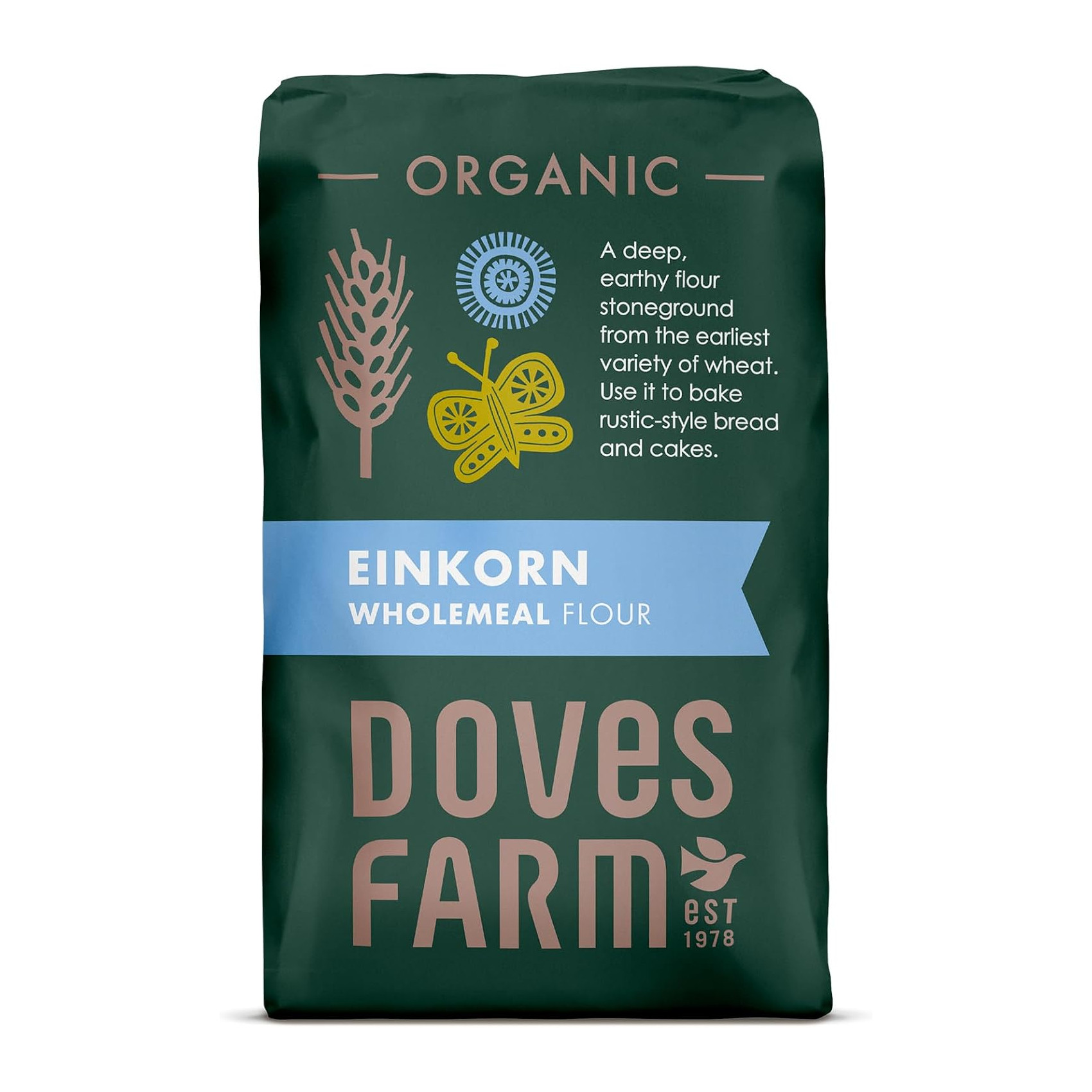
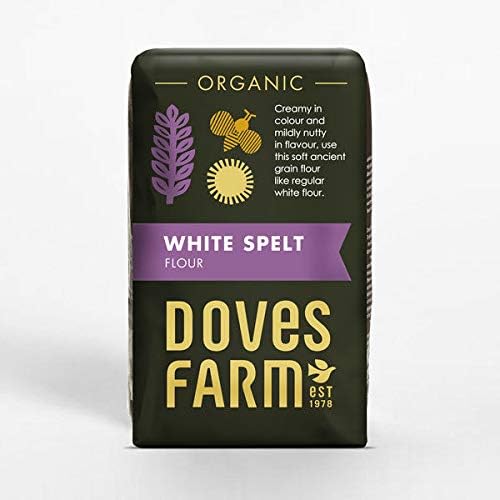
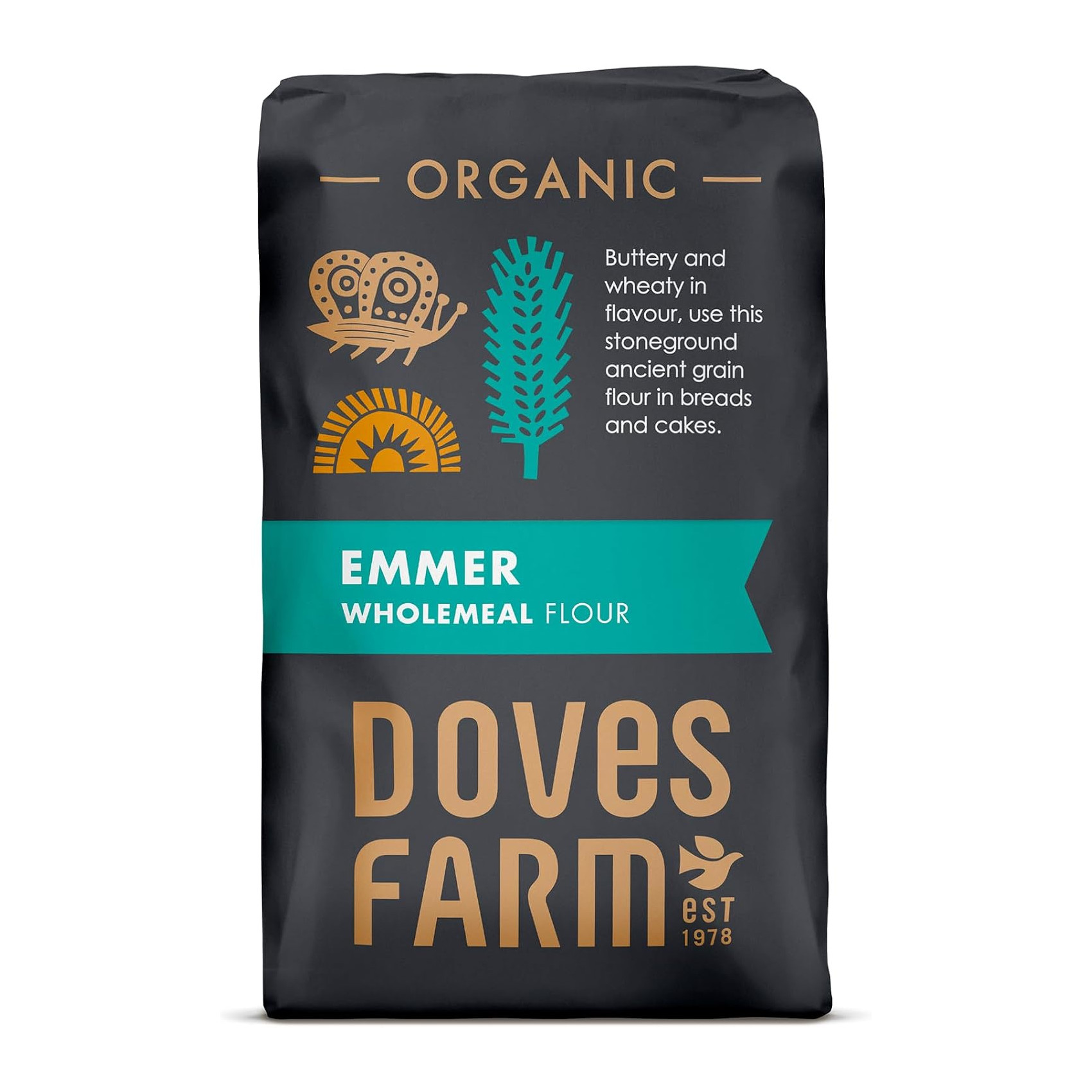
This legislation is the perfect reason to transition your kitchen toward ancient heritage grains. If you haven’t yet discovered the wonders of Einkorn, it is truly the ultimate loop-hole for your health and your baking routines.
Einkorn is the world’s oldest cultivated wheat, possessing a simple 14-chromosome genetic structure unchanged for over 10,000 years (unlike modern industrial wheat, which has been intensely hybridised into 42 chromosomes).
Because it is legally exempt from the new fortification rules, it remains completely pure. Even better, its fragile, water-soluble gluten matrix makes it incredibly gentle on sensitive stomachs, and it naturally boasts up to four times the lutein and significantly higher levels of zinc and iron than modern supermarket flour.
To find out more about how to bake with it, why your gut will love it, and where to source it in the UK, check out my recent deep-dive blog post all about Einkorn.
Option 2: Support UK Small Mills
If you prefer using standard white or brown wheat flours but want to bypass the synthetic additives completely, you don’t have to rely solely on ancient grains. The new law provides a vital lifeline for small-scale, traditional British millers.
Under the Bread and Flour (Amendment) Regulations, any artisan producer that mills 500 metric tonnes of flour or less per year is granted a “Small Mills Exemption”. Because they operate below this threshold, they are legally permitted to sell white and brown flours that are 100% unfortified and completely free from synthetic folic acid.
Supporting these independent businesses is an excellent way to keep your food pure while protecting historic British heritage.
Where to Find Folic Acid-Free Millers:
The best interactive maps and directories of these independent producers are maintained by grassroots artisan food organizations.
• The Traditional Cornmillers Guild (TCMG): This is the ultimate network for traditional British windmills and watermills. Because every single member of the Guild qualifies for the small mills exemption, their directory is a goldmine for finding local millers who stone-grind entirely pure, additive-free flour.
• The Real Bread Campaign (Sustain UK): As a major advocate for consumer choice, the Real Bread Campaign regularly publishes updated regional guides and maps explicitly helping shoppers locate independent, unfortified flour mills across the UK.
• The SPAB Mills Section: The Society for the Protection of Ancient Buildings maintains records of traditional, active heritage mills that still grind small batches of grain for their local communities using wind or water power.
If you don’t have a working windmill on your doorstep, several independent small-batch mills and speciality stockists ship completely unfortified white and brown flours nationwide:
• Traditional Stone-Ground Mills: Celebrated artisan sites like Stoate & Sons (Cann Mills) in Dorset use traditional stone-grinding methods to produce organic white flours that remain completely free of synthetic additives.
• Specialist Baking Suppliers: Online shops like Ratton Pantry and BakeryBits feature dedicated “Unfortified Flour” sections on their websites, making it incredibly easy to order directly from small-batch producers who bypass the mandate.
Keep in mind that some larger independent organic mills cross the 500-tonne threshold and are still legally bound to fortify their flours. To ensure a completely additive-free bake, always look for the “Small Mills Exemption” label or ask the miller directly!